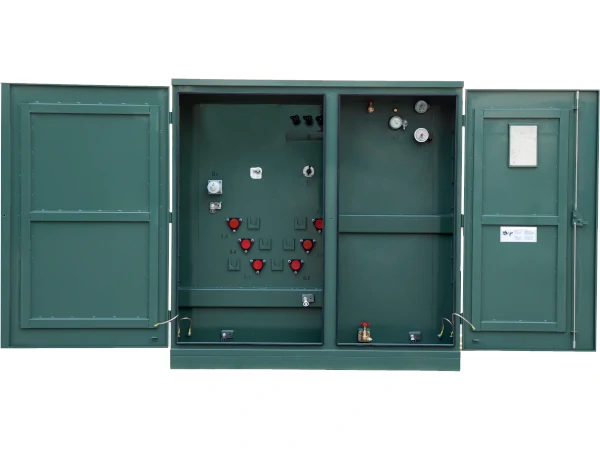

A grounding transformer is a specialized electrical device used to provide a neutral point in power systems where one does not naturally exist. It plays a critical role in ensuring system stability, safety, and reliable fault protection. In many industrial and utility power networks—especially ungrounded or delta-connected systems—a grounding transformer becomes essential for effective transformer grounding.
Modern electrical systems rely heavily on grounding for protection against faults, voltage fluctuations, and equipment damage. Without proper grounding, even minor electrical faults can escalate into serious hazards. This is where grounding transformers serve as a vital component, offering a controlled path for fault currents and stabilizing system voltages.
Understanding the Purpose of a Grounding Transformer
The primary function of a grounding transformer is to create a neutral point in a three-phase electrical system. In systems such as delta-connected networks, there is no inherent neutral available. This absence makes it difficult to detect ground faults or safely dissipate fault currents.
A ground transformer solves this problem by:
- Providing a reference point to ground (earth)
- Allowing fault currents to flow in a controlled manner
- Enabling protective relays to detect and isolate faults
- Stabilizing voltage during transient conditions
In essence, transformer grounding ensures that electrical systems operate safely under both normal and fault conditions.
Why Transformer Grounding is Important
Grounding is not just a design preference—it is a necessity for electrical safety and performance. Proper transformer grounding offers several critical benefits:
1. Fault Detection and Protection
When a ground fault occurs, the grounding transformer allows current to flow to earth. This current can be detected by protection systems, triggering circuit breakers to isolate the faulty section.
2. Voltage Stabilization
Ungrounded systems can experience dangerous voltage surges during faults. A grounding transformer helps maintain balanced voltages across all phases.
3. Equipment Protection
Electrical equipment such as motors, generators, and transformers are sensitive to voltage irregularities. Grounding prevents insulation failure and extends equipment lifespan.
4. Personnel Safety
Grounding reduces the risk of electric shock by ensuring that exposed conductive parts do not carry dangerous voltages.
5. Compliance with Standards
Most electrical codes and standards require proper grounding to ensure safe operation of power systems.
Types of Grounding Transformers
There are several types of grounding transformers, each designed for specific system requirements. The most common configurations include:
1. Zig-Zag Grounding Transformer
The zig-zag configuration is one of the most widely used types of grounding transformer. It consists of windings connected in a way that balances phase currents while providing a neutral point.
Key Features:
- No secondary winding required
- Compact and cost-effective design
- Excellent for handling unbalanced loads
- Provides effective fault current path
This type of ground transformer is commonly used in industrial power systems and utility networks.
2. Wye-Delta Grounding Transformer
Also known as a grounding delta transformer, this configuration uses a wye-connected primary and a delta-connected secondary.
Key Features:
- Provides both grounding and auxiliary power
- Suitable for systems requiring additional voltage transformation
- Can handle higher fault currents
This type of grounding transformer is often used in substations where multiple functions are needed.
3. Grounding Transformer with Neutral Grounding Resistor (NGR)
In many systems, a resistor is connected between the transformer neutral and ground to limit fault current.
Key Features:
- Controls magnitude of fault current
- Reduces damage during faults
- Improves system protection coordination
This setup enhances the performance of transformer grounding systems in sensitive applications.
How a Grounding Transformer Works
To understand how a grounding transformer functions, it is important to consider the behavior of three-phase electrical systems.
In a standard three-phase system without a neutral:
- There is no direct path for ground fault current
- Faults may go undetected
- Voltages can become unstable
A grounding transformer introduces an artificial neutral point. Here’s how it works:
Step 1: Creation of Neutral Point
The transformer windings are configured (such as zig-zag or wye-delta) to produce a neutral connection.
Step 2: Connection to Ground
This neutral point is connected to earth, either directly or through a resistor.
Step 3: Fault Occurrence
When a ground fault occurs, current flows through the transformer to ground.
Step 4: Fault Detection
Protective devices detect this current and isolate the faulty section.
Step 5: Voltage Stabilization
The system remains stable, preventing overvoltage conditions in unaffected phases.
Through this process, the ground transformer ensures both safety and continuity of operation.
Applications of Grounding Transformers
Grounding transformers are widely used across various industries and power systems. Their ability to enhance safety and reliability makes them indispensable.
1. Electrical Substations
In substations, grounding transformers are used to:
- Provide neutral grounding for transmission and distribution systems
- Enable proper operation of protection systems
- Maintain system stability
They are especially useful in delta-connected systems where no natural neutral exists.
2. Industrial Power Systems
Industries with heavy electrical loads rely on ground transformer solutions to:
- Protect machinery from electrical faults
- Ensure continuous operation
- Improve power quality
Common industries include manufacturing, mining, oil and gas, and chemical processing.
3. Renewable Energy Systems
Renewable energy installations such as solar and wind farms often use grounding transformers.
Key Roles:
- Provide grounding in inverter-based systems
- Stabilize voltage output
- Enable safe integration with the grid
As renewable energy adoption grows, the demand for effective transformer grounding solutions continues to increase.
4. Data Centers and Commercial Facilities
Modern data centers require highly reliable power systems. A grounding transformer helps:
- Prevent downtime caused by electrical faults
- Maintain consistent voltage levels
- Protect sensitive electronic equipment
5. Marine and Offshore Applications
In marine and offshore environments, grounding transformers are used to:
- Ensure safety in isolated power systems
- Prevent electrical hazards in harsh conditions
- Maintain stable power supply
Advantages of Using Grounding Transformers
Implementing a grounding transformer in a power system provides multiple advantages:
- Enhanced Safety: Reduces risk of electric shock and fire hazards
- Improved Reliability: Ensures stable operation even during faults
- Better Fault Management: Enables quick detection and isolation
- Voltage Control: Prevents overvoltage and imbalance
- System Flexibility: Allows use of delta systems with added grounding
These benefits make grounding transformers a preferred choice in modern electrical infrastructure.
Challenges Without Proper Transformer Grounding
Operating a system without proper transformer grounding can lead to serious issues:
- Undetected ground faults
- Overvoltage conditions damaging equipment
- Increased risk of electrical fires
- Reduced lifespan of electrical components
- Safety hazards for personnel
A well-designed ground transformer eliminates these risks by providing a controlled and reliable grounding path.
Conclusion
A grounding transformer is a critical component in modern electrical systems, providing the essential function of creating a neutral point for safe and effective grounding. Whether in substations, industrial facilities, or renewable energy systems, these transformers ensure stable operation, protect equipment, and enhance overall safety.
By enabling controlled fault current flow and supporting protective mechanisms, grounding transformers play a vital role in maintaining the integrity of three-phase power systems. Their ability to improve voltage stability and ensure reliable transformer grounding makes them indispensable in today’s complex electrical networks.
As power systems continue to evolve, the importance of proper grounding will only increase, reinforcing the value of a well-designed and correctly implemented ground transformer solution.