


Introduction
A PC gaming setup guide is essential for anyone who wants to enjoy smooth, immersive, and high-performance gaming. Whether you are a beginner or someone with some experience, building the right setup can feel confusing at first. There are many components, choices, and technical terms that can easily overwhelm you. However, with the right approach and understanding, you can create a powerful and efficient gaming environment that suits your needs and budget.
In today’s gaming world, having a proper setup is not just about playing games. It is about experiencing them. From high-quality graphics to fast response times, every part of your setup plays an important role. A well-planned PC gaming setup guide helps you make smart decisions, avoid unnecessary expenses, and ensure compatibility between components.
Moreover, a good setup improves comfort, reduces strain, and enhances your overall gaming performance. Whether you are playing competitive esports or exploring open-world adventures, your setup can make a big difference. This guide will walk you through everything step by step, helping you understand each component and how to put it all together efficiently.
What is PC Gaming Setup Guide?
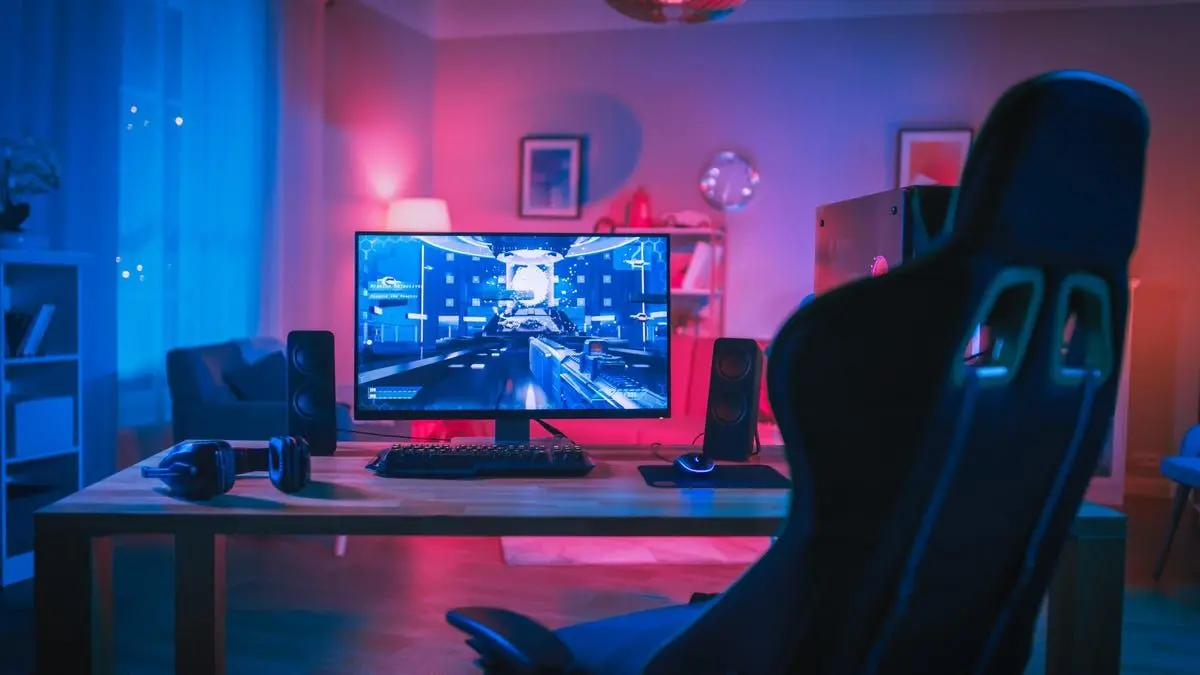
A PC gaming setup guide is a structured plan that helps you build or upgrade a gaming computer and its surrounding environment. It includes choosing the right hardware, arranging your desk, selecting accessories, and optimizing performance for the best gaming experience.
This guide is not limited to just the computer itself. It also covers monitors, keyboards, mice, headphones, and even lighting. The goal is to create a complete gaming station that delivers comfort, performance, and style.
For beginners, a PC gaming setup guide simplifies complex decisions. Instead of guessing what to buy, you follow a clear roadmap. For intermediate users, it helps refine and upgrade existing setups for better results.
Why is PC Gaming Setup Guide Important?
A proper PC gaming setup guide is important because it saves time, money, and effort. Without a plan, many people end up buying incompatible parts or overspending on unnecessary features.
Here are key reasons why it matters:
- It ensures all components work together smoothly
- It helps you stay within your budget
- It improves gaming performance and visuals
- It enhances comfort and reduces fatigue
- It prevents common beginner mistakes
Additionally, a good setup guide helps future-proof your system. This means your PC can handle upcoming games and upgrades without major changes.
Detailed Step-by-Step Guide
Step 1: Set Your Budget
Before buying anything, decide how much you want to spend. Your budget will determine the quality of components you can afford.
For example:
- Low budget: Basic gaming performance
- Mid-range: Smooth gameplay on most games
- High-end: Ultra settings and future-proofing
Stick to your budget to avoid overspending.
Step 2: Choose the Right Processor (CPU)
The CPU is the brain of your computer. It handles all the instructions and processes.
Look for:
- Multiple cores and threads
- Good clock speed
- Compatibility with your motherboard
For gaming, a mid-range or high-performance CPU is recommended.
Step 3: Select a Powerful Graphics Card (GPU)
The GPU is the most important component for gaming. It controls graphics quality and frame rates.
Consider:
- VRAM size
- Performance benchmarks
- Compatibility with your monitor
If you want high-resolution gaming, invest more in the GPU.
Step 4: Pick the Right RAM
RAM affects multitasking and game performance.
Recommended:
- Minimum 16GB for gaming
- Higher speed for better performance
More RAM ensures smoother gameplay and faster loading.
Step 5: Storage Options
Storage determines how fast your games load.
Types:
- SSD (fast and recommended)
- HDD (cheap but slower)
Use SSD for your operating system and main games.
Step 6: Choose a Motherboard
The motherboard connects all components.
Check for:
- Compatibility with CPU
- Enough ports and slots
- Future upgrade options
A good motherboard ensures system stability.
Step 7: Power Supply Unit (PSU)
The PSU provides power to all components.
Choose:
- Reliable brand
- Enough wattage
- Good efficiency rating
Never compromise on PSU quality.
Step 8: Cooling System
Gaming PCs generate heat. Proper cooling is necessary.
Options:
- Air cooling
- Liquid cooling
Good airflow keeps your system safe and stable.
Step 9: Gaming Monitor
Your monitor affects visual experience.
Look for:
- High refresh rate (144Hz or more)
- Low response time
- Good resolution (1080p, 1440p, or 4K)
A better monitor improves gameplay clarity.
Step 10: Keyboard and Mouse
Choose gaming peripherals for better control.
Features:
- Mechanical keyboard
- High DPI mouse
- Comfortable design
These improve accuracy and response time.
Step 11: Headset and Audio
Good sound enhances immersion.
Consider:
- Clear audio
- Comfortable fit
- Noise isolation
A quality headset helps in competitive gaming.
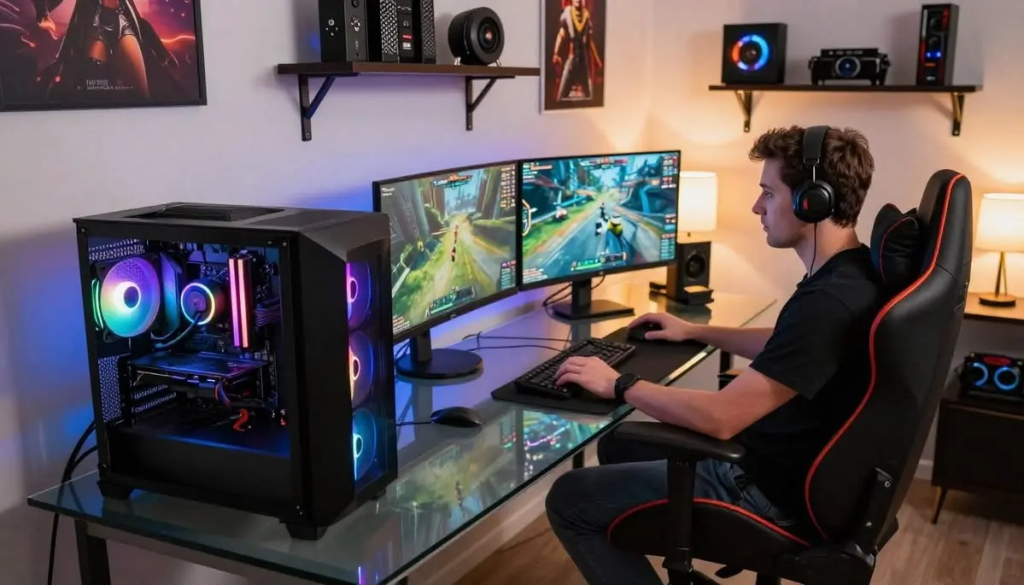
Step 12: Setup and Arrangement
Arrange your setup properly.
Tips:
- Keep cables organized
- Ensure proper lighting
- Use an ergonomic chair
Comfort is just as important as performance.
Benefits of PC Gaming Setup Guide
- Helps you build a balanced system
- Saves money by avoiding wrong purchases
- Improves gaming performance
- Enhances comfort and productivity
- Makes upgrading easier
- Provides better long-term value
Disadvantages / Risks
- Initial cost can be high
- Requires technical knowledge
- Mistakes can lead to compatibility issues
- Time-consuming research process
- Upgrades may still be needed over time
Common Mistakes to Avoid
One common mistake is ignoring compatibility. Always check if your components work together. Another issue is overspending on one part while ignoring others. Balance is key in any PC gaming setup guide.
Many beginners also choose cheap power supplies, which can damage the system. Additionally, poor cooling can lead to overheating and reduced performance.
Another mistake is neglecting ergonomics. Sitting for long hours without proper support can cause discomfort and health issues.
Lastly, avoid skipping research. Take time to compare products and read reviews before making decisions.
FAQs
1. How much should I spend on a gaming PC?
It depends on your needs. A beginner setup can start from a moderate budget, while high-end systems cost significantly more. Always plan according to your gaming goals.
2. Is building a PC better than buying one?
Yes, building your own PC gives you more control over components and performance. It is also more cost-effective in many cases.
3. How important is the GPU?
The GPU is the most important part for gaming. It directly affects graphics quality and frame rates.
4. Do I need 32GB RAM for gaming?
For most games, 16GB is enough. However, 32GB is useful for heavy multitasking and future-proofing.
5. What is the best monitor for gaming?
A monitor with a high refresh rate and low response time is ideal. Resolution depends on your GPU capability.
6. How can I improve my gaming performance?
You can upgrade hardware, optimize settings, update drivers, and ensure proper cooling for better performance.
Expert Tips & Bonus Points
Always prioritize performance over appearance when starting out. While RGB lighting looks attractive, it should not replace essential components.
Keep your system updated with the latest drivers. This ensures better compatibility and performance.
Regularly clean your PC to prevent dust buildup. Dust can affect cooling and reduce lifespan.
Consider future upgrades when buying components. Choose parts that allow easy expansion.
Use a good surge protector to protect your system from power issues.
Finally, invest in comfort. A good chair and desk setup can improve long gaming sessions significantly.
Conclusion
A PC gaming setup guide is your roadmap to building an efficient and powerful gaming environment. By following a structured approach, you can avoid common mistakes and create a system that delivers excellent performance and comfort. From choosing the right components to organizing your workspace, every step plays a vital role in your overall experience.
Building a gaming setup may seem challenging at first, but with proper planning and knowledge, it becomes an enjoyable process. You gain a deeper understanding of how your system works and how to improve it over time. This not only enhances your gaming but also builds valuable technical skills.
Whether you are starting from scratch or upgrading an existing setup, always focus on balance, compatibility, and long-term value. A well-designed setup will serve you for years and provide countless hours of entertainment.
