


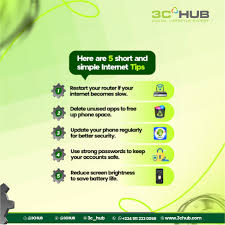
The internet has become an essential part of modern life, helping people work, study, communicate, shop, and enjoy entertainment. Whether you browse social media, read blogs, or manage your business online, having a smooth and secure online experience can make a significant difference. By following a few simple habits, you can enjoy faster browsing, better security, and a more productive digital lifestyle. If you’re looking for engaging online resources, you can also explore qqmacan for additional information and interesting content.
1. Use a Reliable Internet Connection
Your online experience starts with a stable internet connection. Slow or unstable connections can make even the simplest tasks frustrating. Consider upgrading your internet plan if you frequently experience buffering during video calls or streaming. If possible, use a wired connection for important work, while modern Wi-Fi routers can provide excellent wireless performance for everyday activities.
Position your router in a central location, away from thick walls or electronic devices that may interfere with the signal. Regularly restarting your router can also improve network performance.
2. Keep Your Devices Updated
Software updates are not just about adding new features. They often include important security patches that protect your device from vulnerabilities and cyber threats. Whether you’re using a computer, smartphone, or tablet, keeping your operating system and applications updated helps maintain better performance and security.
Enable automatic updates whenever possible so you don’t miss critical improvements.
3. Create Strong and Unique Passwords
One of the simplest ways to stay safe online is by using strong passwords. Avoid using common words, birthdays, or simple number combinations. Instead, create passwords with a mix of uppercase letters, lowercase letters, numbers, and special characters.
It’s also important to use a different password for every online account. A password manager can help generate and securely store complex passwords, making it easier to manage multiple accounts.
4. Enable Two-Factor Authentication
Two-factor authentication (2FA) provides an extra layer of security beyond your password. Even if someone manages to obtain your password, they would still need a second verification method, such as a code sent to your phone or generated by an authentication app.
Many major online services now support 2FA, and enabling it significantly reduces the risk of unauthorized access.
5. Organize Your Browser
A cluttered browser can slow down your online experience. Remove extensions you no longer use, clear your cache periodically, and organize bookmarks into folders for easy access.
Using a modern browser with built-in security features and regular updates also helps improve browsing speed and protection.
6. Protect Your Personal Information
Think carefully before sharing personal information online. Many websites and social media platforms collect data, so it’s important to review privacy settings and limit the amount of information you make publicly available.
Avoid sharing sensitive details such as financial information, home addresses, or identification numbers unless you’re using a trusted and secure website.
7. Recognize Phishing Attempts
Cybercriminals often create fake emails, messages, or websites designed to steal personal information. Be cautious when clicking on unfamiliar links or downloading unexpected attachments.
Always verify the sender’s identity before providing sensitive information, and look for secure website indicators such as HTTPS when entering personal details.
8. Improve Your Online Productivity
Simple organizational habits can greatly improve your online efficiency. Use digital calendars to schedule appointments, note-taking apps to organize ideas, and cloud storage services to access important files across multiple devices.
Reducing unnecessary browser tabs and limiting distractions can also help you stay focused while working online.
9. Manage Notifications
Constant notifications can interrupt your concentration and reduce productivity. Review your notification settings regularly and disable alerts that are not essential.
Allow notifications only from important apps and services so you can focus on your priorities without constant interruptions.
10. Backup Important Data
Unexpected hardware failures, accidental deletions, or cyberattacks can result in data loss. Regularly backing up your files ensures you can recover important documents, photos, and projects when needed.
Many people use both cloud storage and external hard drives to maintain multiple copies of valuable data.
11. Practice Safe Online Shopping
Online shopping is convenient, but it’s important to remain cautious. Shop only from reputable websites, verify secure payment options, and avoid making purchases over unsecured public Wi-Fi networks.
Reading customer reviews and checking return policies before making purchases can also help you avoid scams and disappointment.
12. Improve Your Digital Well-Being
Spending excessive time online can negatively impact mental and physical health. Set healthy boundaries by taking regular breaks, maintaining good posture, and limiting unnecessary screen time.
Features like screen time monitoring and focus modes can help you maintain a healthier balance between your digital and offline life.
13. Learn Basic Cybersecurity Practices
Even basic cybersecurity knowledge can greatly improve your online safety. Learn how to identify suspicious emails, secure your home network, recognize fake websites, and safely download software from trusted sources.
Staying informed about common online threats helps you make smarter decisions while browsing the internet.
14. Customize Your Online Experience
Most websites, browsers, and applications allow users to customize settings according to their preferences. Adjust font sizes, enable dark mode if you prefer it, organize your homepage, and personalize shortcuts to make daily browsing more comfortable.
Small adjustments can significantly improve accessibility and overall user satisfaction.
15. Stay Informed About New Technology
Technology evolves rapidly, with new tools and features appearing regularly. Staying informed about browser improvements, security recommendations, and productivity applications can help you take advantage of better online experiences.
Reading trusted technology blogs and experimenting with useful tools allows you to continuously improve your digital habits.
Conclusion
Improving your online experience doesn’t require advanced technical skills. Small, consistent habits such as keeping your devices updated, creating strong passwords, enabling two-factor authentication, protecting your personal information, and maintaining organized digital spaces can dramatically improve both security and productivity. By following these simple practices, you can browse the internet with greater confidence, enjoy smoother performance, and make the most of everything the digital world has to offer.
